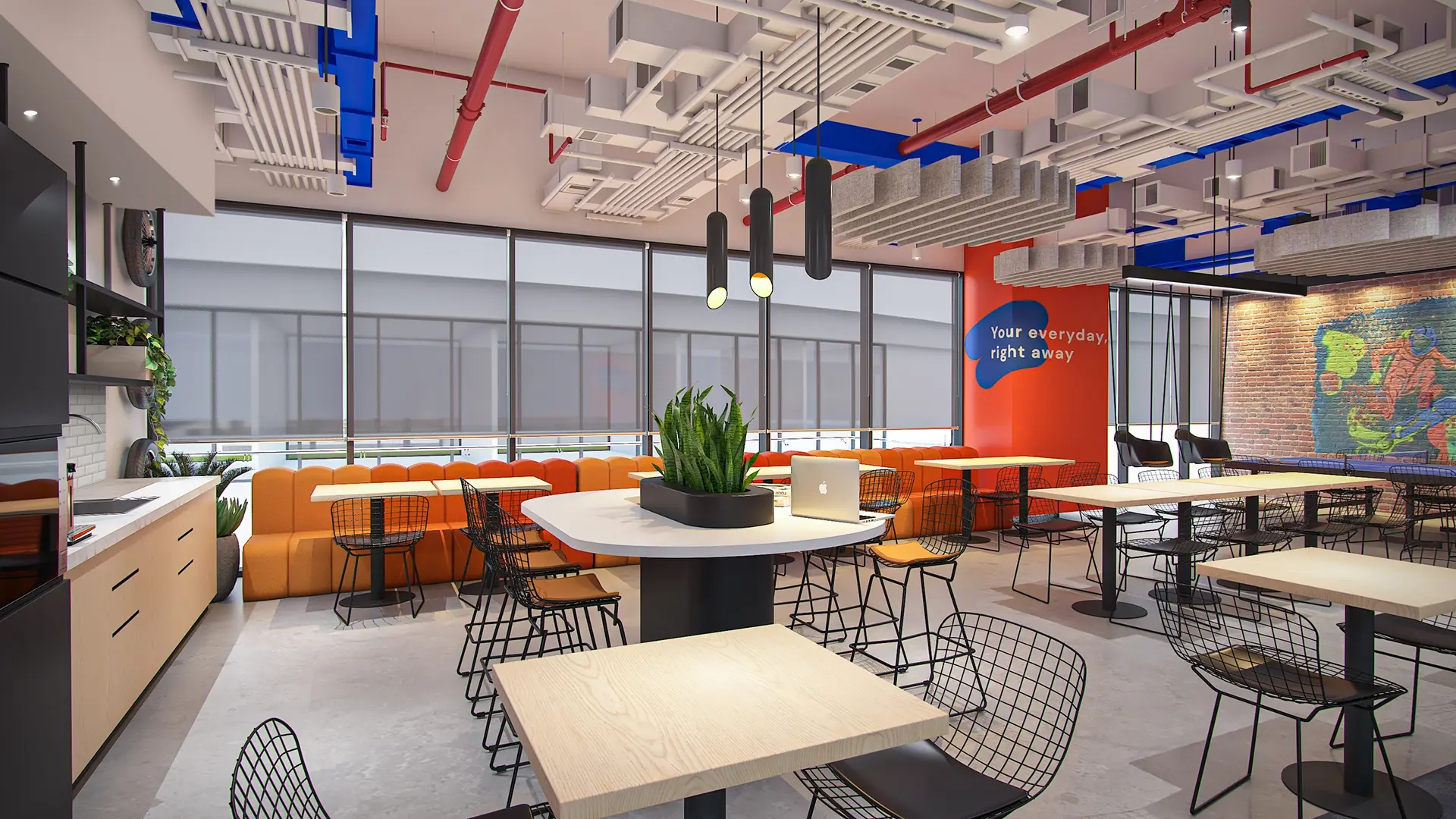
Your office space speaks before you do. The moment someone walks into your workplace, they get a feeling about your company. Is it creative and fun? Is it serious and efficient? The design of an office, known as an interior office fit out, is a powerful tool. It turns empty rooms into a physical expression of a company’s heart and soul. It shows clients and employees what the brand is all about.
Telling your story with space:
An office is more than a place for desks. It tells the company’s story. A tech startup might use open spaces and bright colors to show it is innovative and energetic. A law firm might choose classic furniture and quiet rooms to project stability and trust. Every color, material, and piece of furniture works together to create a visual identity that matches the company’s values.
Building a culture for employees:
The fit out has a big effect on the people who work there. A well-designed office can make employees feel happy and valued. Comfortable break areas encourage people to talk and share ideas. Quiet zones help with deep concentration. When the space supports how people work, it builds a strong, positive culture. It shows the company cares about its team’s well-being.
Making a strong first impression:
A client’s first visit to your office is important. The interior design creates that first impression. A clean, organized, and thoughtful space suggests a professional and capable company. A messy or dull space might send the wrong message. The fit out is a silent ambassador, building confidence and trust from the very first handshake.
Designing for how people work:
Modern fit outs are designed around the tasks employees do every day. Collaborative spaces with whiteboards and casual seating help teams work together. Focus rooms with soundproofing allow for individual work without interruptions. This smart layout shows the company understands different work styles and wants to help everyone do their best work.
Using color and materials wisely:
The choice of colors and materials is never random. A company that values nature might use wood and green plants. A company focused on innovation might use metal and glass. Colors can energize a space or calm it down. These elements are chosen carefully to reflect the brand’s personality and create a specific atmosphere.